— By PARTHASARATH PUNNA
LOON:BALLOON-POWERED INTERNET

Expanding Internet connectivity with stratospheric balloons
History:
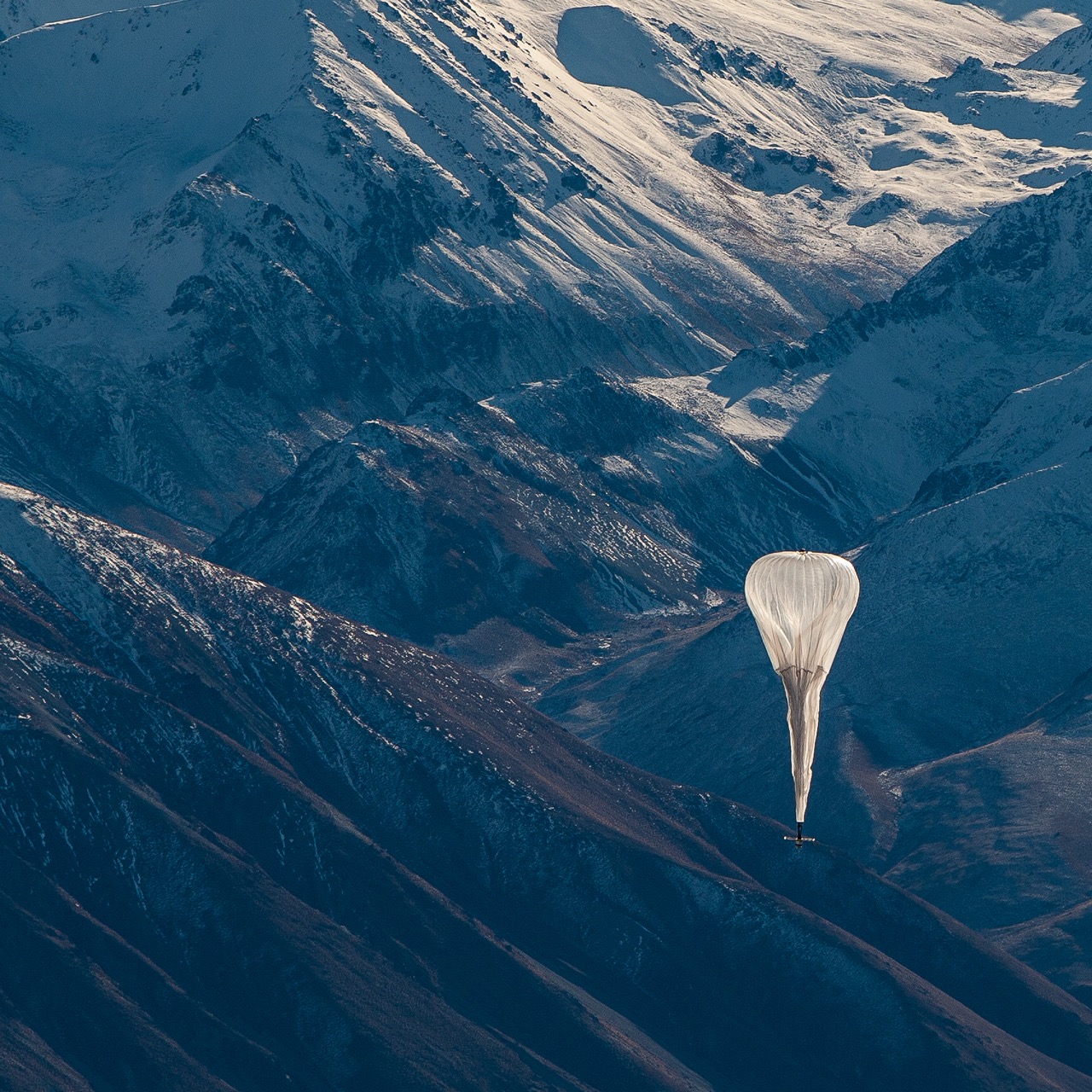
.Historically, in the Three Kingdoms era (220-280 AD), for the military purpose, Chinese used unmanned and small hot air balloons to communicate with allies. As the technology has advanced, there have been attempts to provide networks such as Internet or cellular networks since it is much cheaper than satellites. In June 2013, Google launched the first experiments of balloon networking in New Zealand so that it again gets into the limelight.
In Japan, Yosgutaka Shibata et al., 2009 [Shibata09] proposed a new ballooned wireless mesh network system for disaster. It consists of normalrubber balloons and wireless network devices. The balloon typically floats around 40-100 m (130-300 ft) in the sky. Each balloon has two wireless network devices for (1) the vertical network and (2) the mesh network.

- (1) The vertical network is for communications between the wireless network node attached to the balloon and mobile PCs or devices on ground.
- .(2) The mesh network is for between balloons. It works over Wi-Fi with 4.9 GHz transmission frequency, 250 mW power density, and 54 Mbps network bandwidth .The wireless mesh network is made up of the balloons by auto configuration functions. This is achieved by electro-magnetic field power density.
THE CHALLENGE
The Internet has transformed the way the world communicates, does business, learns, governs, and exchanges ideas, but not everyone can harness the benefits and advantages it provides. Right now, billions of people across the globe still do not have Internet access. They are completely left out of a digital revolution that could improve their finances, education, and health.
Project Loon is a radical approach to expanding Internet connectivity. Instead of trying to extend the Internet from the ground, Loon takes to the sky via a network of balloons, traveling along the edge of space, to expand Internet connectivity to rural areas, fill coverage gaps, and improve network resilience in the event of a disaster.
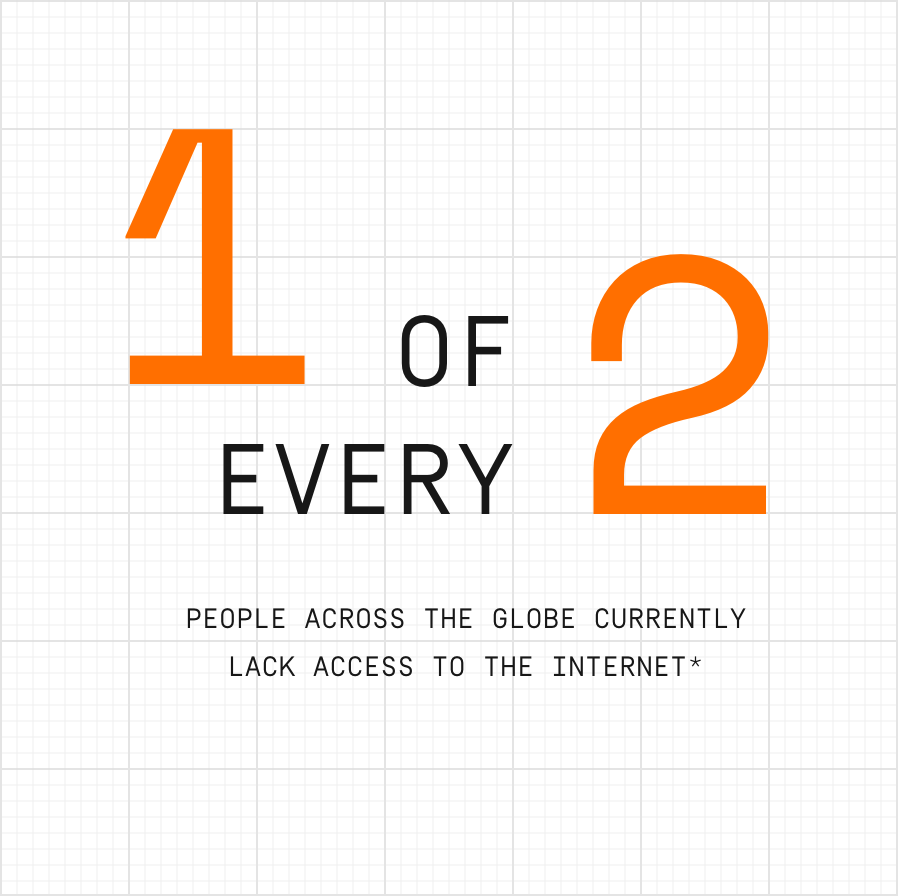
*INTERNATIONAL TELECOMMUNICATIONS UNION
A cell tower’s coverage area is limited by the height of its antennas. By lifting these antennas up into the stratosphere, we can deliver connectivity over a much larger area.
DESIGN
The Loon balloon

- ROUGH CONDITIONSWhile in the stratosphere, balloons can encounter 150°C temperature swings, with temperatures reaching as low as -90°C.
- SCALEEach tennis court-sized, polyethylene balloon is built to survive for more than 100 days in the stratosphere’s harsh conditions.
- ALTITUDE CONTROLChanging the airflow into a smaller inner balloon — the ballonet — causes the balloon to change altitude.
DESIGN

Expanding Internet coverage
- SOLAR PANELSSolar panels power the equipment during the day and charge an onboard battery for nighttime operation.
- FLIGHT CAPSULEContains the brains of the system for command and control of the balloon.
- PARACHUTEAn onboard parachute allows for a controlled descent and landing.
- TRANSCEIVERSA high-speed Internet signal is transmitted up to the nearest balloon from our telecommunications partner on the ground. This signal is then relayed across the balloon network and sent back down to users who can access the Internet with their phones and other LTE-enabled devices.
DEVELOPMENT
Building a balloon that lasts
The Loon team needed to design a balloon that could last for 100+ days in the stratosphere in order to deliver consistent connectivity. But, how do you test and design something that spends so much time in harsh conditions 20 kilometers in the air?

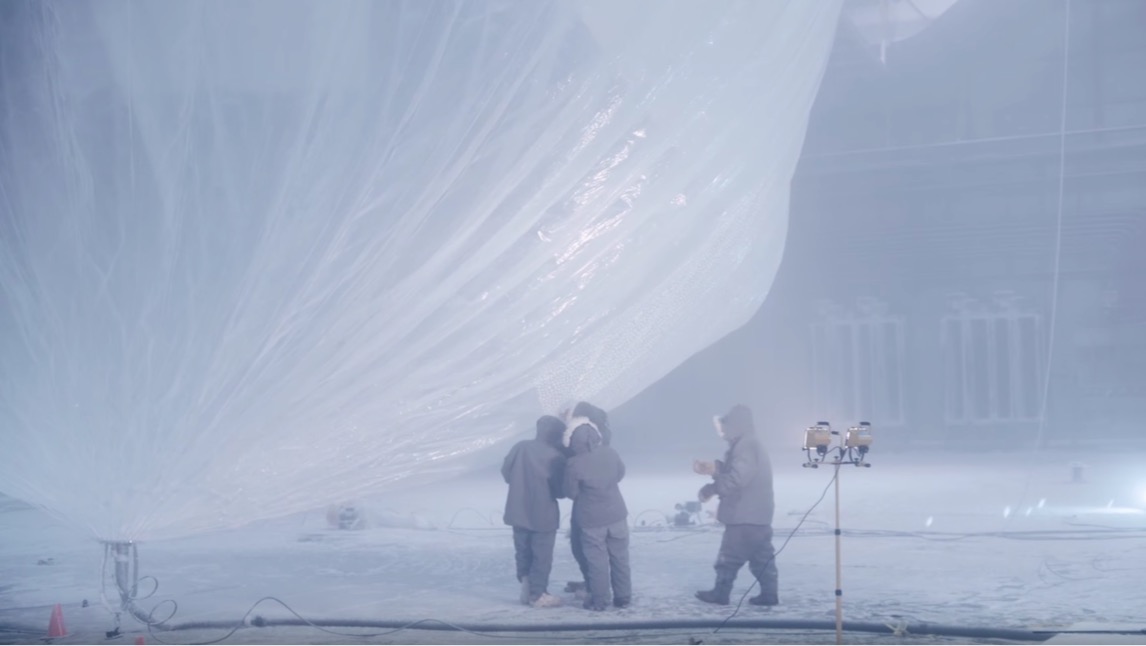
To see the stratospheric effect on the balloons, the team brings the stratosphere down to earth by testing the balloons in a giant hanger that simulates sub-zero temperatures, high-speed winds, rains, and snow. The team also closely inspects each balloon with everything from mass spectrometers to soap bubbles in order to find the smallest leaks.
DEVELOPMENT
Launching the balloons

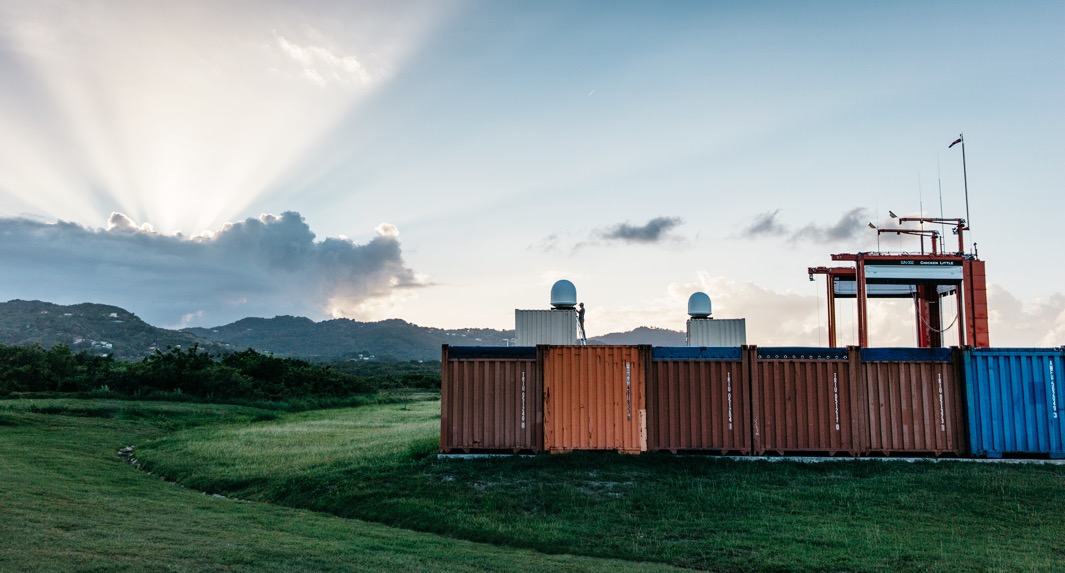
Launching balloons that have never existed before posed a problem for the team: how do you get a lot of these balloons in the air quickly? To safely and reliably get the balloons up and operational, the team designed and custom-built Autolaunchers — large cranes capable of filling and launching a balloon every 30 minutes into the stratosphere, above airplanes, birds, and the weather.
DEVELOPMENT
Navigating the stratosphere
Winds in the stratosphere are stratified, which means they’re comprised of layers that travel in different directions and speeds. While one layer may cause the balloon to drift far from its target location, another nearby layer might allow the balloon to blow in the right direction. One of the original insights for the Loon team was to move the balloons up or down into helpful wind patterns to allow the balloons to sail with the winds, rather than fly against them. This “go-with-the-flow” technique allows the balloons to quickly and efficiently get in the right spot.
To identify these helpful wind patterns, Loon uses advanced predictive models to create maps of the skies. The maps allow the team to determine the wind speed and direction at each altitude, time, and location. With these maps in place, the team then developed smart algorithms to help determine the most effective combination of stratospheric paths. With the aid of these algorithms, the balloons can accurately sail the winds over thousands of kilometers to get where they need to go and then manipulate wind paths to remain clustered around those destinations.


TODAY
Connecting the unconnected
Loon has delivered connectivity to communities where the communications infrastructure has been damaged or wiped out. Loon partnered with Telefonica over many months in 2017 to provide basic Internet connectivity to tens of thousands of people across Peru who were displaced due to extreme rains and flooding. The Loon team also worked closely with AT&T and T-Mobile to bring the Internet to more than 200,00 people in Puerto Rico after Hurricane Maria made landfall.
What is Google’s Project Loon?

- The Google Project Loon is a sensational new idea from Google, which promises to provide internet access to the distant and isolated regions of the world that do not have an internet infrastructure. Essentially, Google’s Project Loon consists of 300 or more internet beaming balloons that float in the stratosphere and form a ring over a part of the world.
- The goal behind Google Project Loon is to provide a continuous data service to all the people living below the balloon’s path. So far, Project Loon has been launched in Indonesia, with three of the country’s mobile networks agreeing to participate in the project and to test the transmissions.

- Googles Project Loon is one of the greatest technological innovations to have come out over the last decade and a half and it holds rich promise. There are many regions in the world that have low population density. Google’s Project Loon aims to provide internet coverage to them and to complement the existing networks.
So what does Project Loon actually consist of? Well, it consists of several superpressure balloons with each containing the following…
- 2 radio transceivers that receive and send data streams and a back-up radio
- 1 flight computer
- A GPS location tracker
- An altitude control system, the purpose of which is to move the balloon up and down, so as to navigate the balloons in the desired direction.
- Solar panels that power all the equipment.
The idea is to have 300 or more balloons so as to form a continuous string around the world, so that as one balloon moves out of range because of the wind, another comes and takes its place. The goal is to provide continuous internet coverage to the isolated areas of the world.
Availability and Advantages of google project loon:
- Sri Lanka has signed an agreement to join Project Loon as well. Also, the Sri Lankan government had announced buying a 25% stake in a joint venture with Google.
- Google’s Project Loon was first launched in New Zealand and promises to be a much more affordable alternative to installing fiber optic cables all around the world, or building mobile phone masts in the far flung areas of the world, such as the jungles and mountains of Indonesia.
- Project Loon is of a particular benefit to a country like Indonesia, and will in future be beneficial to much of Africa and India because it aims to provide internet access to the vast majority of the populations in these regions (such as 100 million out of Indonesia’s population of 255 million), that are even today unconnected to any network
Last year, Google had announced expansion of its Project Loon in India. Google’s ambitious plan to provide Internet connections using high-altitude balloons, had hit several hurdles in India. According to an Economic Times report, Google’s Project Loon would be given a four-day window to conduct its tests in India. The location for the pilot tests are expected to be in the States of Andhra Pradesh and Maharashtra. Some of the months of discussions with the Indian government, Google seems to be finally getting closer to roll out its Project Loon in India.

 Project loons by PPS